If your dog bolts the moment the leash is off, you’re not alone. One of the most important—and potentially life-saving—skills a dog can learn is recall: coming when called. Whether you're at a park in Dallas or hiking a trail in Fort Worth, having reliable recall ensures your dog stays safe, responsive, and under control.
At Dog Pawpa K9 Connection, we work with pet parents across the Dallas–Fort Worth area to build strong, reliable recall behaviors using positive reinforcement and consistent techniques. This guide walks you through step-by-step recall training that works.
Why Recall Is So Important
Recall isn’t just a convenience—it’s essential for your dog’s safety and your peace of mind. A well-trained recall:
- Prevents your dog from running into traffic
- Helps avoid negative encounters with other dogs or wildlife
- Ensures your dog can enjoy off-leash freedom safely
- Builds trust and reinforces your role as a leader
Especially in urban or suburban areas like Plano, Irving, or Arlington, reliable recall can be the difference between a safe outing and a dangerous situation.
Common Reasons Dogs Don’t Come When Called
Before jumping into training, it's important to understand why your dog may not respond to recall commands:
- Lack of motivation or distractions (squirrels, smells, people)
- Inconsistent training or unclear cues
- Negative associations with the recall command
- Not enough practice in different environments
Dogs are not stubborn—they’re often just not fully trained under the current conditions. It’s our job to teach them what “come” really means.
Step-by-Step Recall Training
1. Choose Your Cue Word
Pick a consistent word or phrase:
- “Come” is the most common
- “Here,” “Let’s go,” or a whistle can also work
Avoid using your dog’s name alone. Instead, say “Buddy, come!”
2. Start Indoors with Minimal Distractions
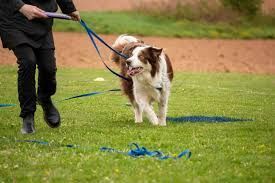
Begin training in a quiet, distraction-free space like your living room or backyard. Use a long leash for added control.
Steps:
- Say your dog’s name and recall word: “Buddy, come!”
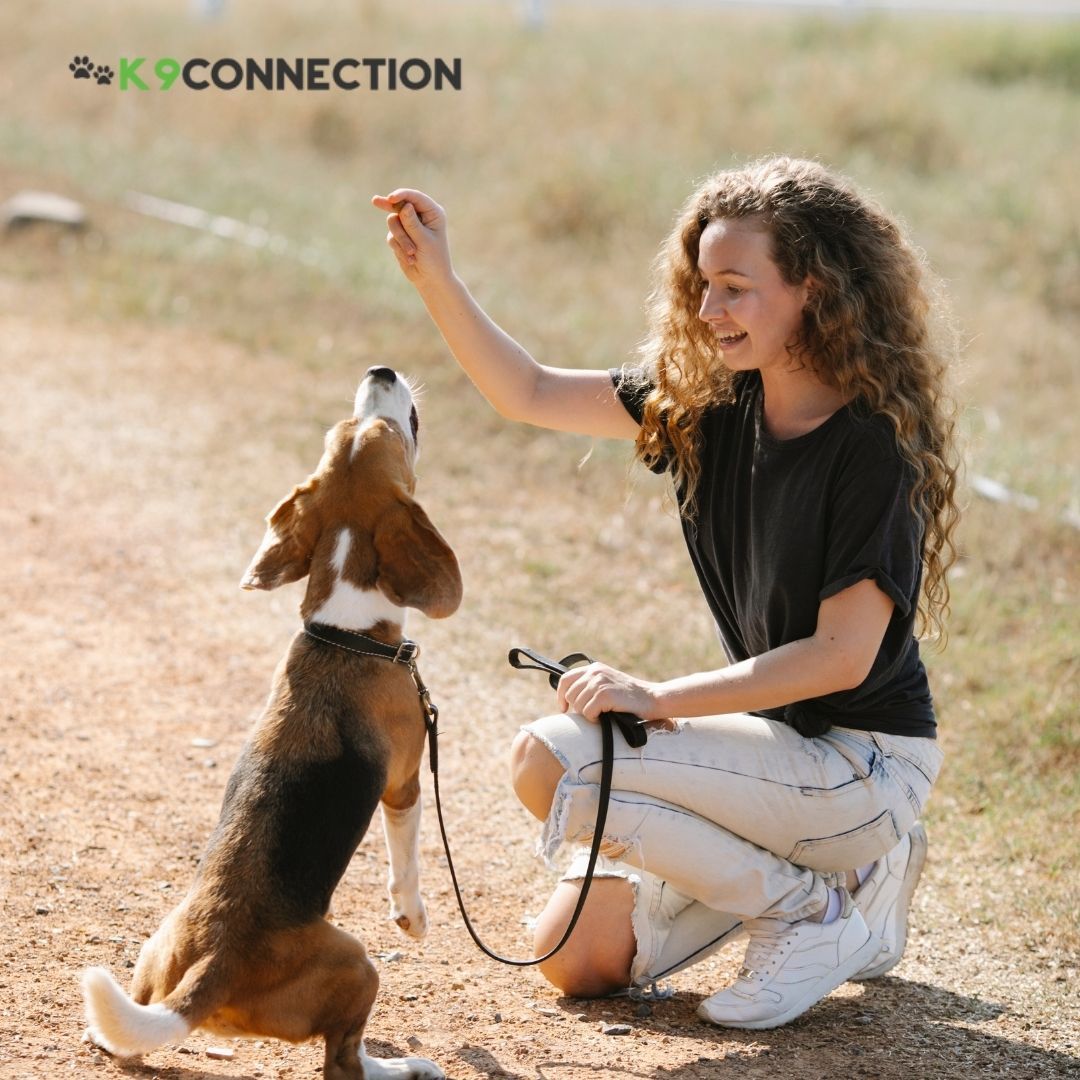
- Use a happy tone and open body language
- When they come, reward with treats and praise immediately
- If they don’t come, gently guide them in and reward once they arrive
Repeat several short sessions daily.
3. Make It Worth Their While
High-value rewards = strong motivation. Use:
- Tiny bits of cooked chicken or cheese
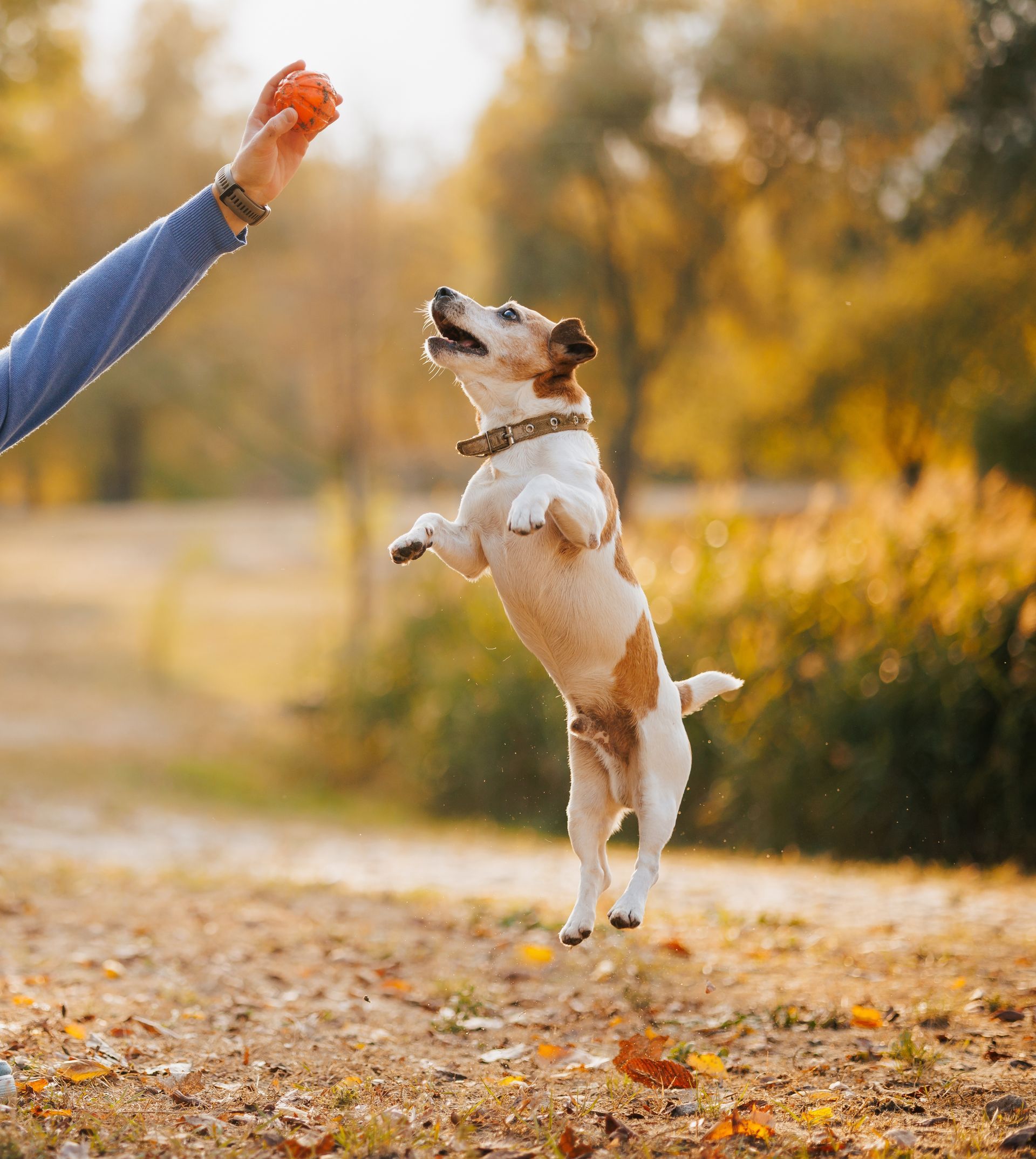
- Tug toys or play
- Lots of praise
Pro Tip: Never call your dog to you and then do something negative (like a bath or crate time). This creates bad associations.
4. Use the “Back and Forth” Game
This works well with two people:
- Stand 15–20 feet apart and take turns calling the dog
- Reward each time the dog runs to the caller
- Gradually increase distance
5. Add Distance and Distraction
Once your dog is consistent indoors:
- Practice outside in a fenced yard
- Gradually add distractions (other people, dogs, noises)
- Use a 20–30 ft long line to simulate off-leash freedom
6. Practice Emergency Recall
Create a special recall cue used
only in emergencies, like “Now!” or a unique whistle. This should always result in a massive reward—a jackpot of treats or play.
Use sparingly so it always has a high-value impact.
What to Avoid When Teaching Recall
- Don’t punish your dog after they come: This teaches them to avoid you.
- Don’t use recall to end fun: If “come” always means the dog leaves the park, they’ll stop responding.
- Don’t call if you can’t reinforce: Only call when you’re sure your dog will obey—or when they’re on a long leash.
Training is all about creating a positive, rewarding association with your voice and your presence.
Local Tips: Best Recall Practice Spots in DFW
Here are a few local spots perfect for controlled recall training:
- Katy Trail (Dallas): Early mornings are best for low distraction sessions
- Fort Woof Dog Park (Fort Worth): Use the small-dog area during off hours for space to train
- Trinity Trails (Fort Worth): Practice recall while hiking for real-world reliability
Always follow leash laws and use long lines until recall is 100% reliable.
FAQs About Recall Training
How long does it take to train recall?
It depends on your dog, but consistent practice 3–5 times a week can yield noticeable results in 2–4 weeks. Proofing the behavior in all settings may take longer.
Is it too late to teach my older dog recall?
Not at all! Dogs of any age can learn to come when called. Older dogs may even be easier to train due to lower energy levels.
Should I train recall before going off-leash?
Yes. Never let your dog off-leash in an unsecured area until they have proven reliable recall, especially in busy areas like parks and neighborhoods.
What breeds struggle most with recall?
Independent breeds like Huskies or scent hounds (Beagles, Bassets) may need more repetition, but any dog can learn recall with the right training.
Can a trainer help with recall?
Absolutely. At Dog Pawpa K9 Connection, we work with dogs of all breeds and ages to master recall. One-on-one sessions ensure your dog gets the focus they need.
Ready to Train a Dog That Comes Every Time? Let’s Get Started!
Recall can save your dog’s life—and make off-leash adventures more enjoyable. Whether your dog is a distractible puppy or an adult rescue, we’ll help you build strong recall foundations that last.
Contact Dog Pawpa K9 Connection today for customized recall training in Dallas, Fort Worth, and surrounding areas.
[Book Now –https://www.dogpawpak9connection.com/contact]
Serving neighborhoods in DFW including Garland, Addison, Carrollton, and more!