Crate training a puppy is one of the most valuable tools for developing good behavior, promoting housebreaking, and creating a calm, structured environment. For many new pet parents in Dallas–Fort Worth, crate training can feel overwhelming at first, but with the right guidance, it can become one of the most rewarding parts of raising a well-adjusted dog.
At Dog Pawpa K9 Connection, we help families across DFW use positive crate training methods that support obedience, confidence, and a stronger bond with your dog. This comprehensive guide will walk you through every step of the crate training process.
Why Crate Training Works
Crate training is not about confinement—it’s about creating a safe, secure space where your puppy can rest, relax, and reset.
Benefits of crate training include:
- Speeds up housebreaking and reduces accidents
- Prevents destructive chewing when unsupervised
- Helps puppies learn to self-soothe and settle
- Assists in building a predictable routine
- Makes travel and vet visits less stressful
When done correctly, crate training gives your puppy a place they actually enjoy spending time in, not a "doggy jail."
Choosing the Right Crate
There are a few types of crates to consider:
- Wire Crates: Great for ventilation, visibility, and collapsibility. Ideal for indoor training.
- Plastic Crates: More enclosed and travel-friendly. Useful for anxious dogs.
- Furniture-Style Crates: Doubles as decor. Great for long-term home use.
Size matters:
- Your puppy should be able to stand, turn around, and lie down comfortably.
- Use a divider if buying a crate for your dog’s adult size.
Local tip: Stores like Pet Supplies Plus in Dallas or PetSmart in Fort Worth carry crate options to try in person.
Setting Up the Crate for Success
Make the crate welcoming:
- Add a soft mat or blanket
- Place a favorite toy or chew inside
- Use a cover to create a cozy den-like atmosphere (if your puppy responds well)
- Keep the crate in a central area (not isolated)
Place the crate in your bedroom at night initially, then transition to a quieter area of the house.
Step-by-Step Crate Training Process
1. Introduce the Crate Positively
Start by making the crate a positive space:
- Leave the door open and allow your puppy to explore
- Toss treats or toys inside
- Praise when they enter voluntarily
Never force your puppy into the crate or shut the door too soon.
2. Feed Meals in the Crate
Feeding in the crate creates positive associations:
- Start with the door open
- After a few meals, close the door while they eat
- Reopen when they finish
Gradually increase the door-closed time until they’re comfortable.
3. Begin Short Crate Sessions
Practice short intervals:
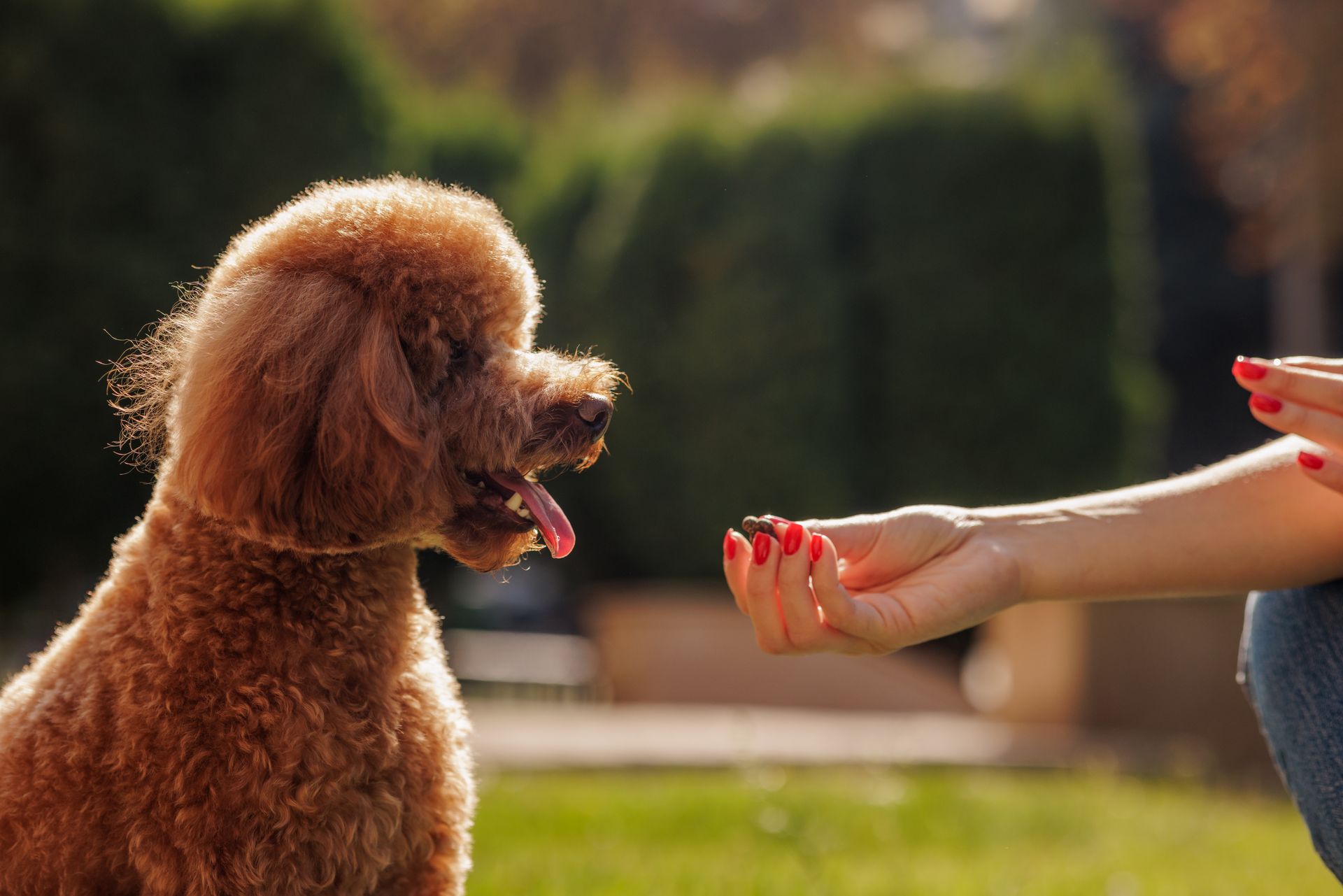
- Guide your puppy into the crate with a treat
- Use a cue like “Crate” or “Go to bed”
- Shut the door for 5–10 minutes while you’re nearby
- Gradually increase time and distance
Avoid leaving the puppy in the crate for more than 3 hours during the day at first.
4. Use the Crate at Night
Expect some whining at first. Stay calm and consistent:
- Place the crate near your bed so your puppy doesn’t feel alone
- Use a ticking clock or heartbeat toy for comfort
- Don’t let them out for whining unless it’s clearly a potty break
In most cases, consistent nighttime crate use helps with housebreaking within 2–4 weeks.
5. Crate When You Leave Home
Once your puppy is comfortable:
- Give a treat-filled Kong or chew toy before leaving
- Avoid long goodbyes (it builds anxiety)
- Keep exits calm and routine
Start with short outings (15–30 minutes) and extend gradually.
Addressing Common Crate Training Challenges
Whining or Barking
This is normal in the early stages. Don’t give in too quickly.
- Make sure potty needs are met first
- Wait for silence before opening the crate
- Reward calm behavior
Accidents in the Crate
If your puppy has accidents:
- Reduce crate time and increase potty breaks
- Clean thoroughly to remove scent
- Avoid punishing—this creates fear, not learning
Refusal to Enter the Crate
If your dog resists:
- Go back to positive associations
- Feed meals inside
- Use high-value treats or food puzzles
- Never use the crate as punishment
How Long Can a Puppy Stay in a Crate?
Use the general rule:
puppy’s age in months = maximum hours in crate (up to 5 hours)