Puppy training should begin earlier than most dog owners realize. The ideal time to start is as soon as your puppy arrives home, typically around eight weeks old. Early training builds structure, prevents bad habits, and sets the foundation for long-term behavior. In Dallas Fort Worth, where dogs are exposed to busy environments, early guidance is essential for raising a calm and well-behaved dog.
When Should You Start Training a Puppy
The most effective time to begin training is during the early developmental stage. Puppies are highly receptive to learning between eight and sixteen weeks. This is when they begin forming habits and understanding their environment.
Waiting too long often allows unwanted behaviors to develop. Jumping, biting, barking, and lack of focus can quickly become routine if not addressed early.
Starting training early helps:
- Establish structure and routine
- Build confidence in new environments
- Prevent common behavior issues
- Strengthen communication between dog and owner
Even basic training during this stage makes a significant difference as your puppy grows.
What Puppy Training Includes
Many people think puppy training only involves teaching commands. In reality, it focuses on shaping behavior, building focus, and creating a strong foundation for future learning.
Basic Obedience
Puppies begin learning simple commands such as sit, stay, come, and place. These commands are not just tricks. They provide control and structure in everyday situations.
Socialization
Exposure to different environments, people, and sounds is critical. In Dallas Fort Worth, puppies will encounter busy sidewalks, parks, and neighborhoods. Proper socialization helps them stay calm instead of reactive.
House Training
Establishing consistent routines for bathroom breaks is an essential part of early training. Structure and timing help prevent accidents and confusion.
Bite Inhibition
Puppies naturally explore with their mouths. Training teaches them how to control this behavior and interact appropriately with people.
Leash Introduction
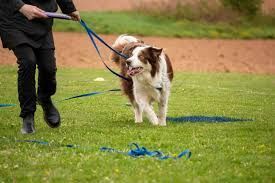
Early leash work builds comfort and prevents pulling habits later. Puppies learn to walk calmly rather than reacting to every distraction.
Why Early Training Matters in Dallas Fort Worth
Dallas Fort Worth presents a unique environment for dogs. There are frequent distractions, high activity levels, and constant exposure to new situations.
Without early training:
- Puppies may become overwhelmed in public spaces
- Reactivity can develop quickly
- Owners struggle to maintain control during walks
With proper guidance, puppies learn to navigate these environments confidently. Early exposure combined with structure helps prevent future behavior problems.
Common Mistakes Puppy Owners Make
Many new dog owners unintentionally create long-term issues by delaying or approaching training inconsistently.
Waiting Too Long to Start
Some owners believe puppies are too young to train. In reality, this is the most important time to begin.
Inconsistent Rules
Allowing a behavior one day and correcting it the next creates confusion. Puppies need clear and consistent expectations.
Overusing Treats Without Structure
Rewards can be helpful, but without structure, puppies may only respond when food is present.
Skipping Professional Guidance
Early professional input can prevent small issues from becoming larger problems.
What to Expect During Professional Puppy Training
Working with a professional trainer provides structure, accountability, and faster results. Training programs are designed to guide both the puppy and the owner.
During training, you can expect:
- Evaluation of your puppy’s behavior and temperament
- Step-by-step guidance on commands and routines
- Controlled exposure to real-world environments
- Coaching for owners to maintain consistency at home
Learn more about foundational programs here:
[Puppy Training Services – https://www.dogpawpak9connection.com/puppy-training]
Professional training ensures that your puppy develops the right habits from the start.
Real-World Example from Dallas Fort Worth
A puppy owner in Dallas recently began training shortly after bringing their dog home. The puppy was energetic, easily distracted, and beginning to develop nipping behavior.
With early training:
- Basic commands were introduced and reinforced daily
- Structured routines reduced accidents in the home
- Controlled socialization improved confidence
Within a few weeks, the puppy showed noticeable improvements in focus and behavior. Early action prevented common issues from becoming long-term problems.
Tips for Training Your Puppy at Home
Consistency at home plays a major role in your puppy’s progress. Even small daily efforts make a difference.
Keep training sessions short and focused. Puppies learn best in brief, repeated sessions.
Use clear and simple commands. Avoid changing words or expectations.
Reward calm behavior, not just active responses. This encourages balance.
Stick to a routine for feeding, walks, and rest. Structure creates stability.
Be patient. Learning takes time, and consistency leads to results.
Frequently Asked Questions
Is eight weeks too early to start training a puppy?
No. This is actually one of the best times to begin. Puppies are highly receptive to learning at this stage.
How long does it take to train a puppy?
Training is an ongoing process. Early results can appear quickly, but consistency over time is key for lasting behavior.
Can I train my puppy without professional help?
Basic training can be done at home, but professional guidance helps ensure correct techniques and faster progress.
What is the most important command to teach first?
Commands like sit and come are essential because they create control and improve communication.
How do I stop my puppy from biting?
Redirecting behavior, setting boundaries, and reinforcing calm interactions are key. Consistency is critical.
Take the Next Step
Starting puppy training early is one of the most important decisions you can make as a dog owner. It sets the foundation for behavior, confidence, and long-term success.
Dog Pawpa K9 Connection works with puppy owners across Dallas Fort Worth to build strong, reliable behavior from the very beginning.
Schedule a training consultation today:
[Contact Dog Pawpa K9 Connection – https://www.dogpawpak9connection.com/contact]
Serving Dallas, Fort Worth, and surrounding communities.