Aggressive dog behavior can feel overwhelming, especially when it begins to affect daily life. Walks become stressful, visitors feel unsafe, and simple routines turn into challenges. The reality is that aggression is not permanent. With the right structure, consistency, and professional guidance, most aggressive behaviors can be corrected. In Dallas Fort Worth, effective dog training focuses on understanding the root cause of aggression and replacing it with calm, controlled behavior.
Understanding Aggressive Dog Behavior
Aggression in dogs is a reaction, not a fixed personality trait. It often develops from fear, confusion, lack of structure, or past experiences. In a fast-paced environment like Dallas Fort Worth, where dogs encounter busy streets, unfamiliar people, and constant stimulation, these triggers can escalate quickly if not addressed properly.
Common forms of aggression include:
- Fear-based aggression when a dog feels threatened
- Territorial aggression when protecting a home or space
- Leash reactivity when restraint increases frustration
- Resource guarding over food, toys, or people
- Redirected aggression when frustration is taken out on something nearby
Identifying the type of aggression your dog displays is essential. Without that clarity, training efforts often become inconsistent and ineffective.
Why Aggression Gets Worse Without Training
Aggression rarely resolves on its own. In many cases, it intensifies over time due to unintentional reinforcement. When a dog barks, lunges, or growls and the trigger goes away, the dog learns that the behavior was effective.
This creates a pattern:
- The dog repeats the behavior more quickly
- The reactions become more intense
- The threshold for triggering aggression becomes lower
Many owners in the Dallas area try to manage aggression by avoiding situations. While this may provide short-term relief, it often leads to long-term setbacks. Avoidance prevents the dog from learning how to behave correctly in real-world situations.
Proven Dog Training Methods That Work
Effective behavior correction is built on structure, clarity, and repetition. At Dog Pawpa K9 Connection, training focuses on changing how a dog thinks and responds, not just stopping the visible behavior.
Structured Obedience Training
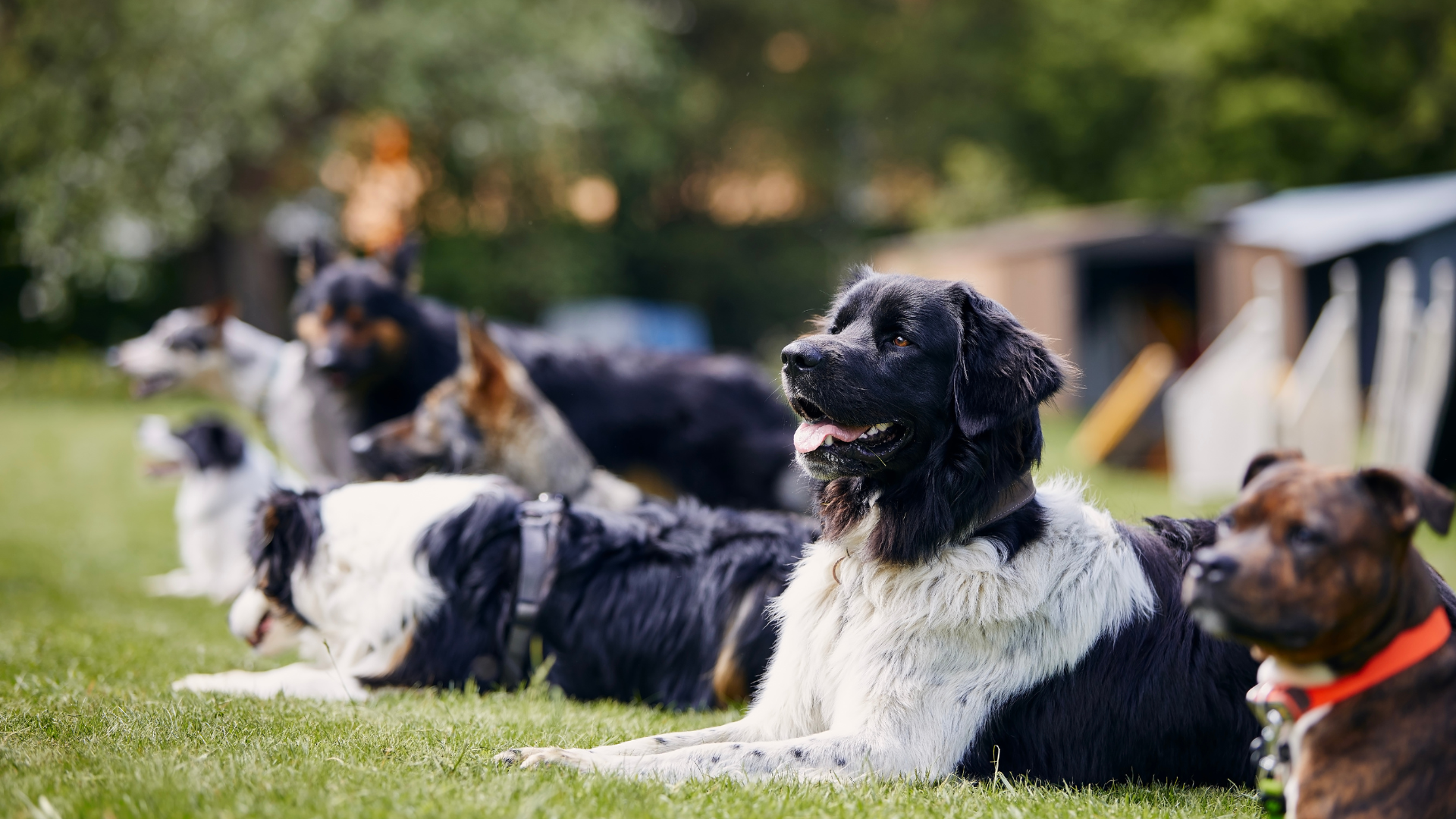
Obedience is the foundation of behavior control. Commands such as sit, stay, heel, and place provide a clear framework for communication. When a dog understands expectations, it becomes easier to guide behavior in high-stress situations.
Structured obedience helps:
- Establish leadership and trust
- Create predictable responses
- Reduce anxiety through clear direction
You can explore foundational training here:
[Obedience Training Services –
https://www.dogpawpak9connection.com/obedience-training]
Controlled Exposure to Triggers
Avoiding triggers does not resolve aggression. Controlled exposure allows the dog to face those triggers in a safe and structured way.
This process typically involves:
- Introducing the trigger at a manageable distance
- Reinforcing calm behavior
- Gradually increasing exposure over time
This method helps the dog build confidence and learn that reacting aggressively is no longer necessary.
Attention Span Training
One of the most overlooked causes of aggression is lack of focus. Dogs that cannot maintain attention tend to react impulsively, especially in stimulating environments like parks or neighborhoods in Dallas.
Attention training improves:
- Engagement with the handler
- Responsiveness to commands
- Ability to ignore distractions
As focus improves, reactive behaviors begin to decrease.
Clear Boundaries and Structure at Home
Training sessions alone are not enough. Dogs need consistent structure in their daily environment.
Effective boundaries include:
- Controlled movement within the home
- Consistent expectations from all family members
- Predictable routines for feeding, exercise, and rest
Structure reduces uncertainty, which in turn lowers anxiety-driven behaviors.
Professional Behavior Correction Programs
For more serious cases, a structured program with a professional trainer can provide faster and more consistent results. These programs focus on addressing the root cause of aggression while reinforcing new behaviors daily.
Professional guidance ensures that training is applied correctly and consistently, which is critical for long-term success.
Real-World Example from Dallas Fort Worth
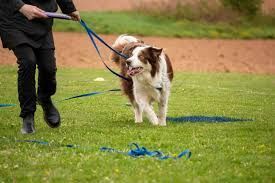
A dog owner in the Dallas area recently sought help for severe leash aggression. Their dog would bark, lunge, and become difficult to control when encountering other dogs during walks.
Through a structured training approach:
- The dog learned to maintain a consistent heel position
- Focus commands redirected attention away from triggers
- Gradual exposure reduced reactivity over time
With consistent follow-through, the dog became calm and manageable in public settings. Situations that once caused stress became routine.
Practical Tips for Managing Aggression
If your dog is currently showing aggressive behavior, there are steps you can take immediately to begin improving the situation.
Stay calm and avoid emotional reactions. Dogs respond to energy, and heightened tension can escalate behavior.
Avoid punishment-based corrections that rely on fear. These often increase anxiety and worsen aggression.
Be consistent. Inconsistent rules confuse dogs and slow down progress.
Create structure in daily routines. Predictability helps dogs feel more secure.
Seek professional guidance early. The longer aggression continues, the more ingrained it becomes.
Frequently Asked Questions
Can aggressive dogs be trained successfully?
Yes. Most aggressive behaviors can be improved significantly with structured training and consistency. The key is addressing the root cause rather than just the symptoms.
What causes sudden aggression in dogs?
Sudden aggression can result from fear, environmental changes, lack of structure, or negative experiences. Identifying the trigger is essential for correction.
Is it safe to train an aggressive dog at home?
Basic training can begin at home, but professional guidance is strongly recommended for safety and effectiveness, especially in more severe cases.
Will my dog ever be completely calm around triggers?
Many dogs can learn to remain calm and controlled, even in situations that previously triggered aggression. Results depend on consistency and training quality.
When should I contact a professional dog trainer in Dallas?
As soon as aggression becomes noticeable. Early intervention leads to better outcomes and reduces risk.
Take the Next Step
Aggressive behavior can feel difficult to manage, but it is not something you have to handle alone. With the right training approach, your dog can learn to respond calmly and confidently in any environment.
Dog Pawpa K9 Connection works with dog owners across Dallas Fort Worth to correct aggressive behavior through structured, results-driven training.