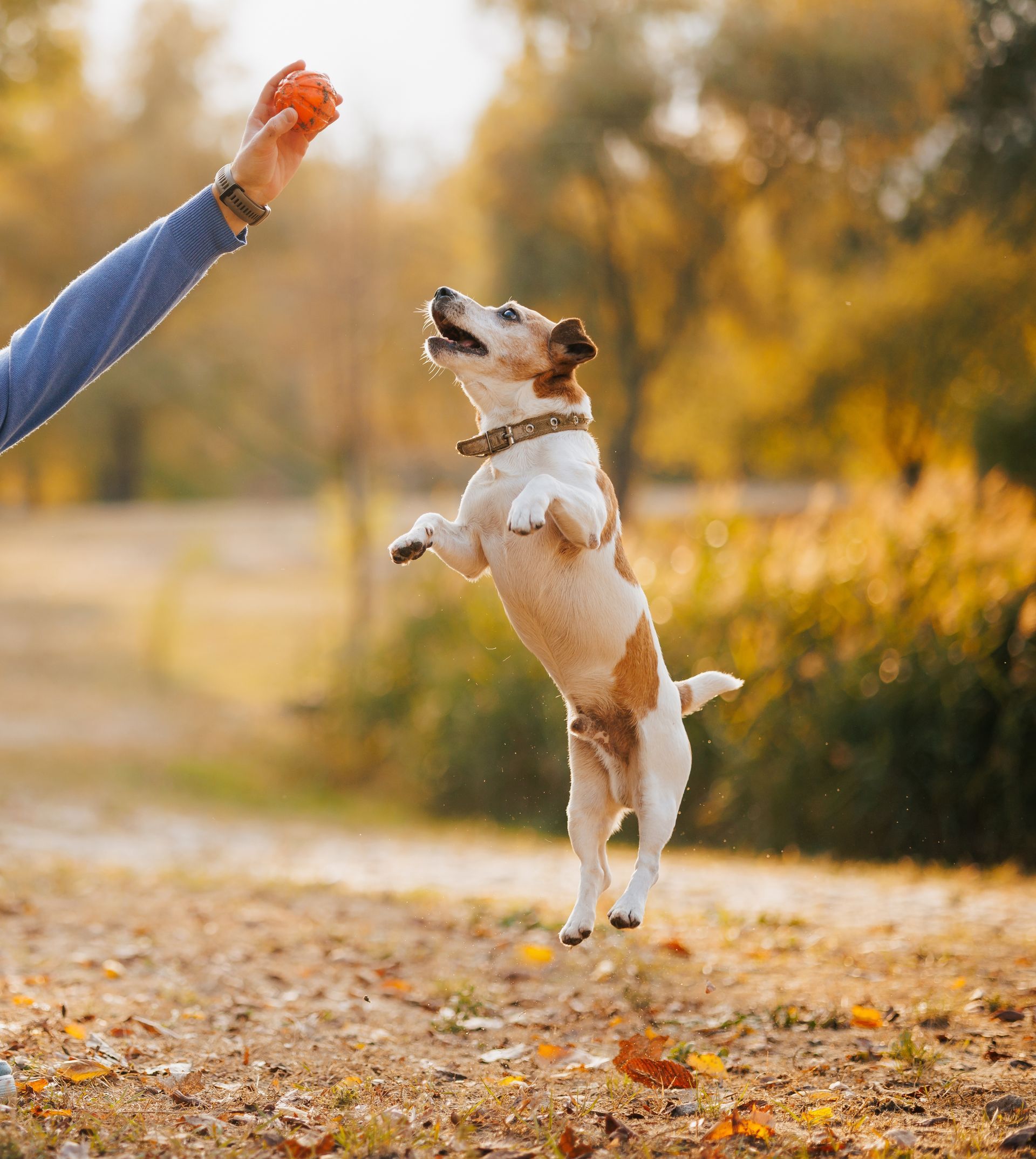
Does your dog launch themselves at guests the second someone walks through your door? While the enthusiasm may seem harmless, jumping is one of the most common behavior issues we address at Dog Pawpa K9 Connection—especially in high-energy breeds and young dogs.
In this guide, we’ll explain
why dogs jump, how to stop it with consistent training, and what Dallas–Fort Worth pet owners can do to turn chaos into calm when visitors arrive.
Why Dogs Jump on People
Dogs typically jump as a form of greeting or excitement. It can also be a learned behavior—especially if it was accidentally rewarded in the past.
Common reasons for jumping:
- Seeking attention (especially face-to-face contact)
- Excitement or overstimulation
- Lack of boundaries during greetings
- Reinforcement from people petting or talking to them when they jump
If your dog jumps on guests, it’s not disobedience—it’s confusion about how they’re supposed to behave.
Why It’s Important to Stop Jumping Early
Jumping may seem cute when a dog is small, but it becomes problematic when:
- The dog is large or strong enough to knock someone over
- Guests are frightened or caught off guard
- Kids or elderly family members are put at risk
Training polite greetings helps ensure everyone feels welcome and safe in your home.
Step-by-Step Guide to Stop Your Dog from Jumping on Guests
1. Manage the Environment First
Prevent your dog from rehearsing the behavior:
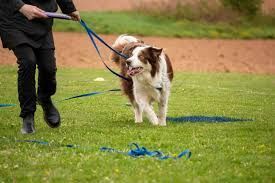
- Use a leash or baby gate when guests arrive
- Put your dog in another room temporarily
- Create a calm setup before the greeting happens
2. Practice Calm Greetings Daily
Work on “greeting drills” with family members or friends:
- Person enters the home calmly
- Dog is on leash and asked to “Sit” or go to “Place”
- If the dog jumps, the guest turns away and ignores
- If the dog remains calm, they get a treat or gentle praise
Repeat with multiple people over time to generalize the behavior.
3. Teach the “Sit for Attention” Rule
Make “Sit” the default behavior when someone walks in:
- Ask your dog to sit before saying hello
- Only give pets, praise, or treats when four paws are on the ground
- Everyone in the household and guest list must follow the same rule
4. Use the “Place” Command
Teach your dog to go to a bed or mat when someone arrives:
- Practice sending your dog to “Place” when the doorbell rings
- Reward them for staying there while guests enter
- Slowly increase distractions and duration over time
This gives your dog a clear job to focus on.
5. Be Consistent with Every Visitor
Even if a guest says “I don’t mind,” jumping is still reinforced if your dog gets any attention from it.
- Ask guests to ignore jumping—even turn their backs
- Practice proper greetings before letting guests interact
- Keep greetings low-energy until your dog is calm
What Not to Do
- Don’t push your dog off or yell. This is still attention, which can reinforce jumping.
- Don’t punish after the fact. Dogs only connect feedback to the moment it happens.
- Don’t allow jumping “sometimes.” Mixed signals confuse your dog.
Real-Life Practice Opportunities in DFW
Try these dog-friendly public spaces to practice calm greetings with strangers:
- Katy Trail (Dallas) – Leash training around joggers and cyclists
- Mutts Canine Cantina – Train outside the dog park before entering
- Outdoor patios like Lazy Dog or Smoky Rose – Practice “Place” under the table during visits
When to Call in a Professional Trainer
If your dog jumps excessively or combines jumping with:
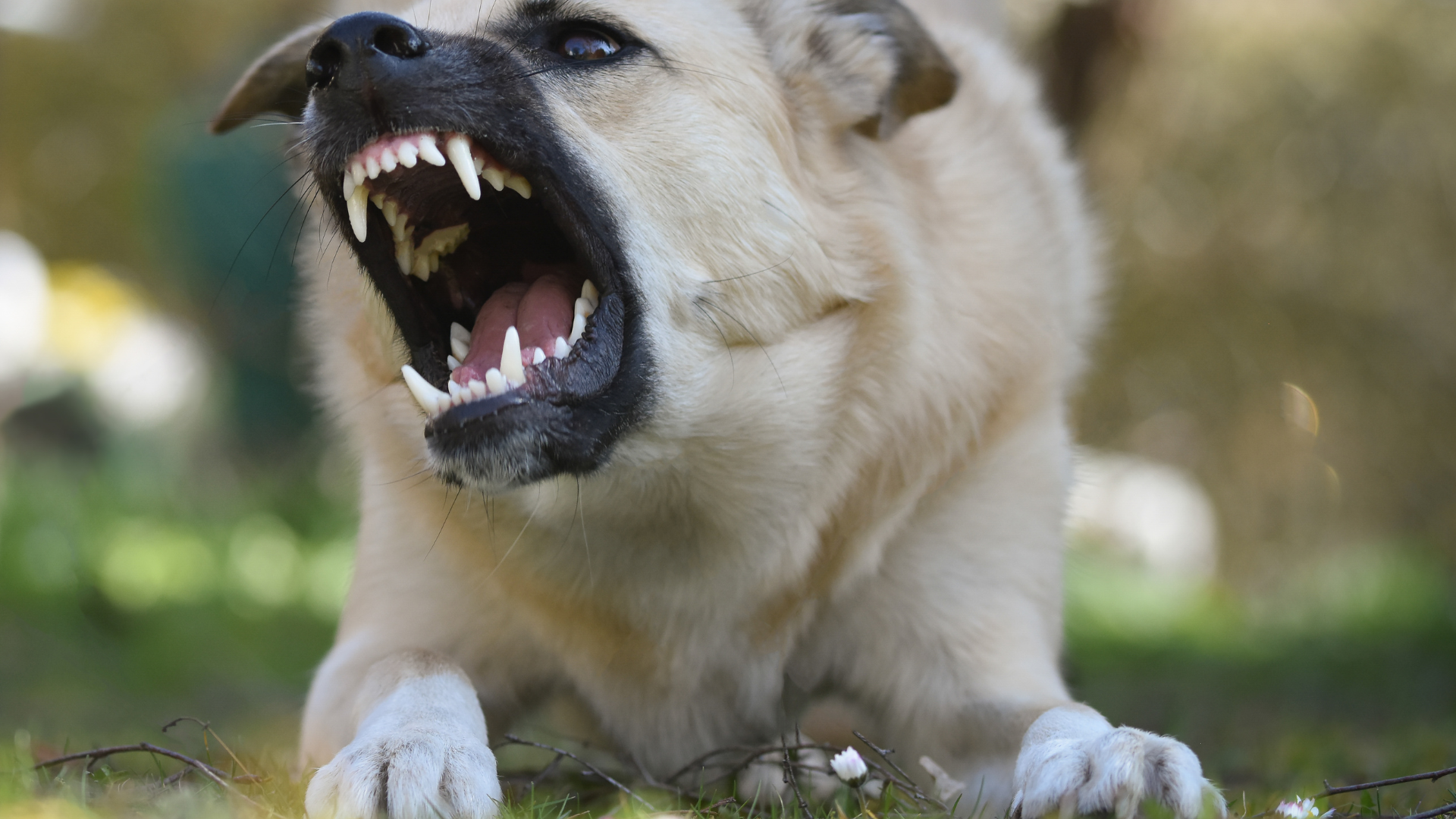
- Barking or growling
- Nipping or mouthiness
- Ignoring commands completely
…it may be time for a customized training plan.
At Dog Pawpa K9 Connection, we offer in-home behavior modification for greeting issues, jumping, and leash reactivity.
[Request a behavior consultation – https://www.dogpawpak9connection.com/contact]
FAQs About Jumping Behavior
Why does my dog only jump on some people?
Your dog may be more excited by certain guests or is testing boundaries with new people. Consistency is key.
How long does it take to stop a dog from jumping?
With daily practice, most dogs improve in 2–4 weeks. Severe or long-reinforced jumping may take longer.
Will neutering/spaying reduce jumping?
It may reduce overall energy, but training is still essential for long-term behavior change.
Is it harder to train older dogs to stop jumping?
Not at all. Older dogs can learn new habits with the right structure and consistency.
Start Training Calmer Greetings Today
Jumping doesn’t mean your dog is bad—it just means they need clearer direction. With daily practice and support, you can transform chaotic entrances into calm, polite greetings.
Ready to fix jumping for good? Contact Dog Pawpa K9 Connection to start your in-home training today.