Problem behaviors like biting, excessive barking, and lunging are among the most common reasons dog owners seek professional help. These issues are not random or unfixable. They are learned responses that can be corrected with the right training approach. In Dallas Fort Worth, behavior correction focuses on identifying the cause of the behavior, establishing structure, and teaching dogs how to respond calmly in situations that once triggered reactions.
What Behavior Correction Really Means
Behavior correction is not about punishing a dog. It is about changing how a dog thinks, reacts, and responds to the environment. When done correctly, it replaces unwanted behaviors with controlled, reliable actions.
Dogs that bite, bark excessively, or lunge are usually reacting to:
- Fear or insecurity
- Lack of clear boundaries
- Overstimulation
- Past negative experiences
- Inconsistent training
Instead of addressing the root issue, many owners try to stop the behavior in the moment. This often leads to frustration because the underlying cause remains unchanged.
Common Problem Behaviors in Dallas Dogs
In a busy area like Dallas Fort Worth, dogs are exposed to constant movement, noise, and interaction. Without proper training, this environment can amplify unwanted behaviors.
Biting
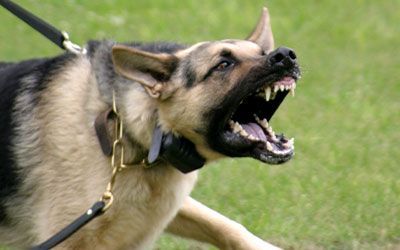
Biting can range from playful nipping to more serious aggression. It is often linked to fear, anxiety, or lack of impulse control. Puppies may bite during development, but without correction, the behavior can carry into adulthood.
Excessive Barking
Barking is a natural form of communication, but when it becomes constant or reactive, it signals a deeper issue. Dogs may bark due to boredom, anxiety, territorial instincts, or lack of structure.
Lunging on Leash
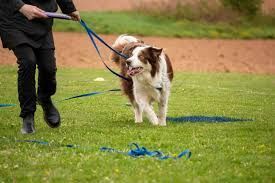
Lunging is commonly seen during walks when a dog reacts to people, other dogs, or distractions. This behavior is often tied to frustration or lack of control rather than true aggression.
Each of these behaviors can be improved with a structured training plan.
Why These Behaviors Should Not Be Ignored
Ignoring problem behaviors does not make them go away. In most cases, they become more frequent and more intense over time.
When behavior is left unaddressed:
- Dogs become more confident in unwanted actions
- Triggers become harder to manage
- Safety risks increase for owners and others
Early intervention leads to faster and more reliable results.
Proven Behavior Correction Methods
At Dog Pawpa K9 Connection, behavior correction is built on consistency, communication, and practical application. The goal is to create lasting behavioral change, not temporary compliance.
Establishing Clear Communication
Dogs need clear, consistent signals to understand expectations. Confusion leads to stress, and stress often leads to unwanted behavior.
Training focuses on:
- Consistent commands
- Proper timing of corrections and rewards
- Calm, controlled handling
This clarity helps dogs make better decisions.
Building Obedience as a Foundation
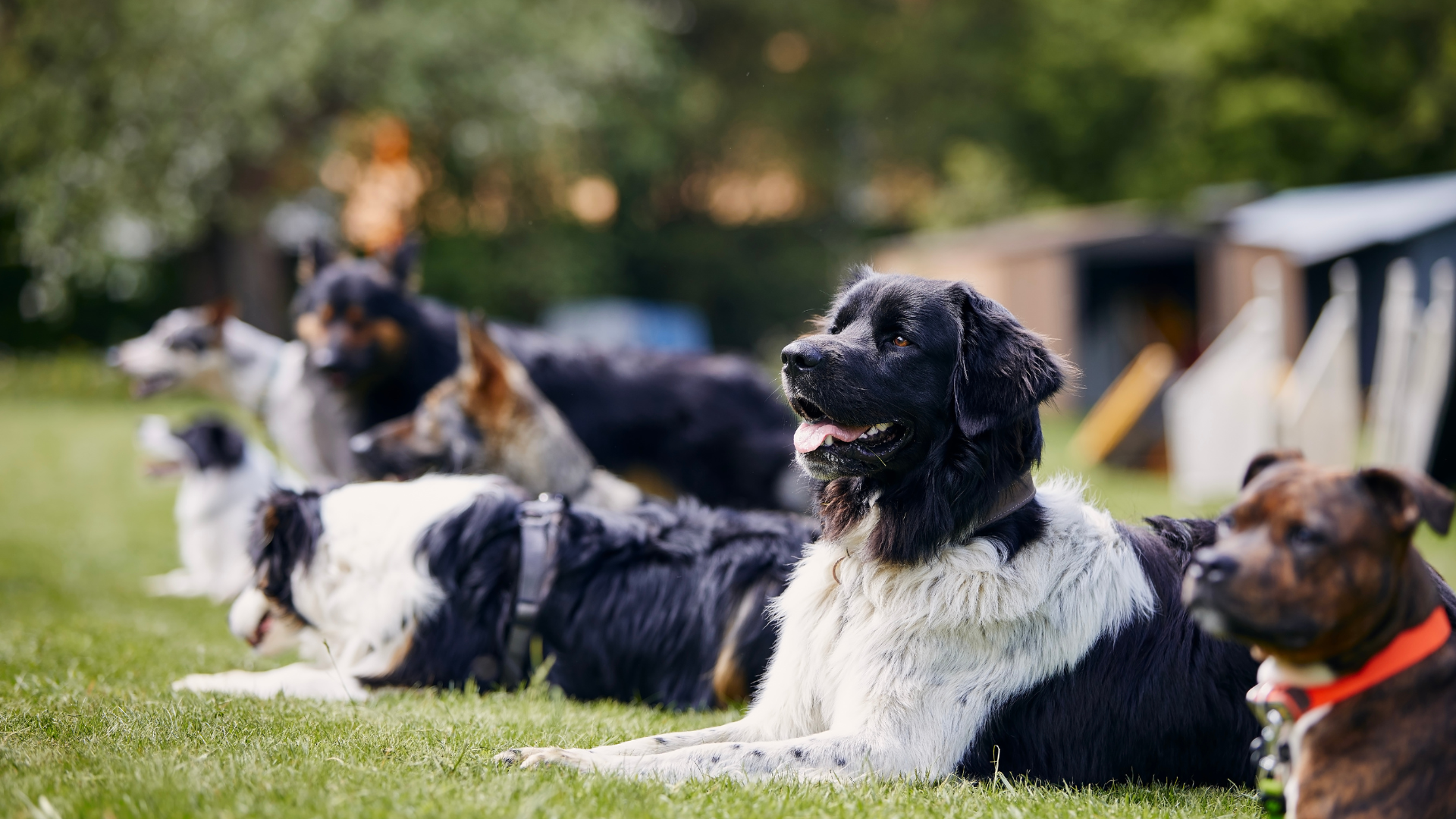
Before correcting behavior, a dog must understand basic obedience. Commands such as sit, stay, and heel provide structure and control.
Obedience training helps:
- Redirect focus during high-stress situations
- Prevent escalation of unwanted behavior
- Reinforce positive habits
Correcting Behavior at the Right Moment
Timing is critical. Corrections must happen at the moment the behavior occurs, not after. Delayed responses confuse the dog and reduce effectiveness.
Proper correction:
- Interrupts the unwanted behavior
- Redirects to a desired action
- Reinforces calm behavior immediately
This process teaches the dog what is expected in real time.
Structured Exposure to Triggers
Dogs need to learn how to handle real-world situations. Controlled exposure allows them to face triggers without becoming overwhelmed.
This includes:
- Gradual introduction to distractions
- Maintaining control through commands
- Rewarding calm responses
Over time, the dog learns to remain composed even in challenging environments.
Consistency at Home
Training does not stop after a session. Daily routines play a major role in behavior correction.
Effective home structure includes:
- Consistent rules across all family members
- Controlled interactions with people and pets
- Scheduled exercise and mental stimulation
Consistency reinforces what the dog learns during training.
Local Example from Dallas Fort Worth
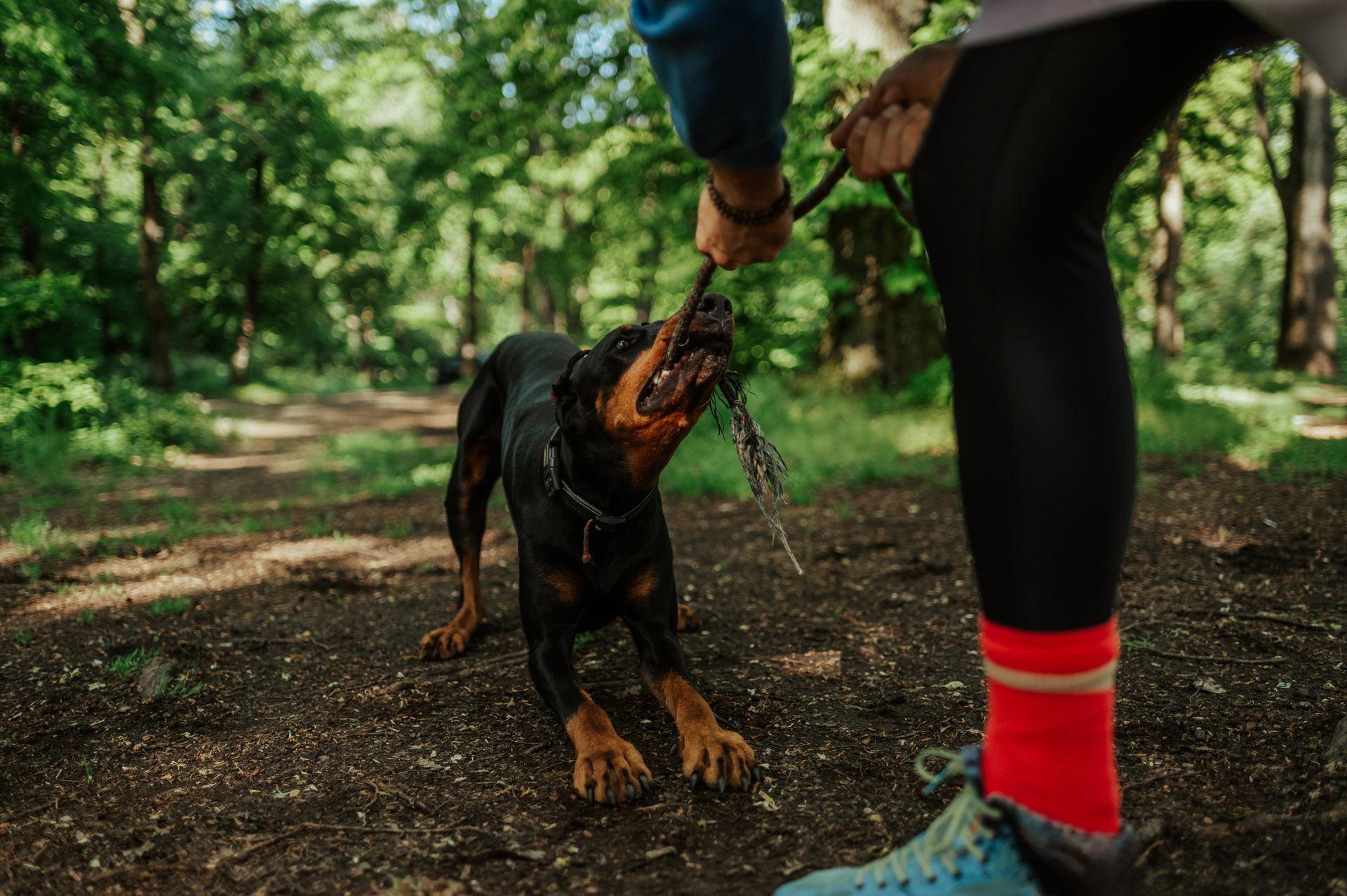
A dog owner in Fort Worth reached out due to excessive barking and lunging during walks. The dog reacted to nearly every passing distraction, making walks difficult and stressful.
Through structured behavior correction:
- The dog learned to maintain a controlled heel
- Barking was interrupted and redirected consistently
- Exposure to distractions was gradually increased
Within a short period, the dog became calmer and more focused, allowing the owner to enjoy walks again.
Practical Steps You Can Take Now
While professional training is often the most effective solution, there are steps you can begin immediately.
Stay calm and avoid reacting emotionally. Dogs respond to your energy, and tension can escalate behavior.
Avoid reinforcing unwanted behavior by giving attention at the wrong time.
Use clear and consistent commands. Repetition builds understanding.
Provide daily structure through routine, exercise, and boundaries.
Limit chaotic environments until your dog develops better control.
Frequently Asked Questions
Can biting behavior be completely stopped?
In most cases, yes. With proper training and consistency, biting behavior can be reduced or eliminated depending on the cause.
Why does my dog bark at everything?
Dogs often bark due to overstimulation, lack of structure, or learned behavior. Training helps them stay calm and focused instead of reacting.
Is lunging a sign of aggression?
Not always. Many dogs lunge out of frustration or excitement. Training helps redirect that energy into controlled behavior.
How long does behavior correction take?
The timeline varies based on the severity of the behavior and the consistency of training. Some dogs improve quickly, while others require ongoing reinforcement.
When should I seek professional help?
If the behavior feels difficult to manage or is getting worse, it is best to work with a professional trainer as early as possible.
Take the Next Step
Problem behaviors like biting, barking, and lunging do not have to define your dog’s life. With the right training approach, your dog can become calm, focused, and reliable in any environment.
Dog Pawpa K9 Connection provides behavior correction training for dog owners across Dallas Fort Worth who want real, lasting results.
Schedule a professional evaluation to get started:
[Contact Dog Pawpa K9 Connection – https://www.dogpawpak9connection.com/contact]
Serving Dallas, Fort Worth, and surrounding communities.