Puppy teeth are sharp—and while nipping is normal puppy behavior, it can quickly become a problem if not addressed early. Whether you’re a new dog owner in Dallas or adding a second pup to your Fort Worth home, learning how to stop biting before it becomes a habit is key to raising a well-mannered dog.
At Dog Pawpa K9 Connection, we’ve helped hundreds of local families manage puppy behavior and develop calm, respectful dogs. In this blog, we’ll break down why puppies bite, when it’s normal, and how to redirect it the right way.
Why Do Puppies Bite?
Biting and mouthing are developmentally normal during the first few months of life. Puppies bite to:
- Explore their environment (it’s how they learn)
- Play with littermates and humans
- Relieve teething discomfort (especially between 12–20 weeks)
- Get attention (even negative attention reinforces the behavior)
The goal isn’t to punish your puppy—but to
redirect, teach boundaries, and reward calm behavior.
When Does Biting Become a Problem?
Normal puppy biting is playful and exploratory. However, it’s time to intervene when:
- Biting is hard enough to hurt or break skin
- Your puppy bites during every interaction
- They ignore corrections or redirection
- Biting escalates with excitement or frustration
The earlier you step in, the easier it is to curb the behavior.
7 Puppy Biting Training Tips That Work
1. Use a Firm, Consistent Marker Word
When your puppy bites, say “No” or “Ouch!” in a calm but firm tone. Avoid yelling.
- Remove your hand or body part immediately
- Pause the interaction for a few seconds
- Resume only when your puppy is calm
This teaches them that rough play = end of fun.
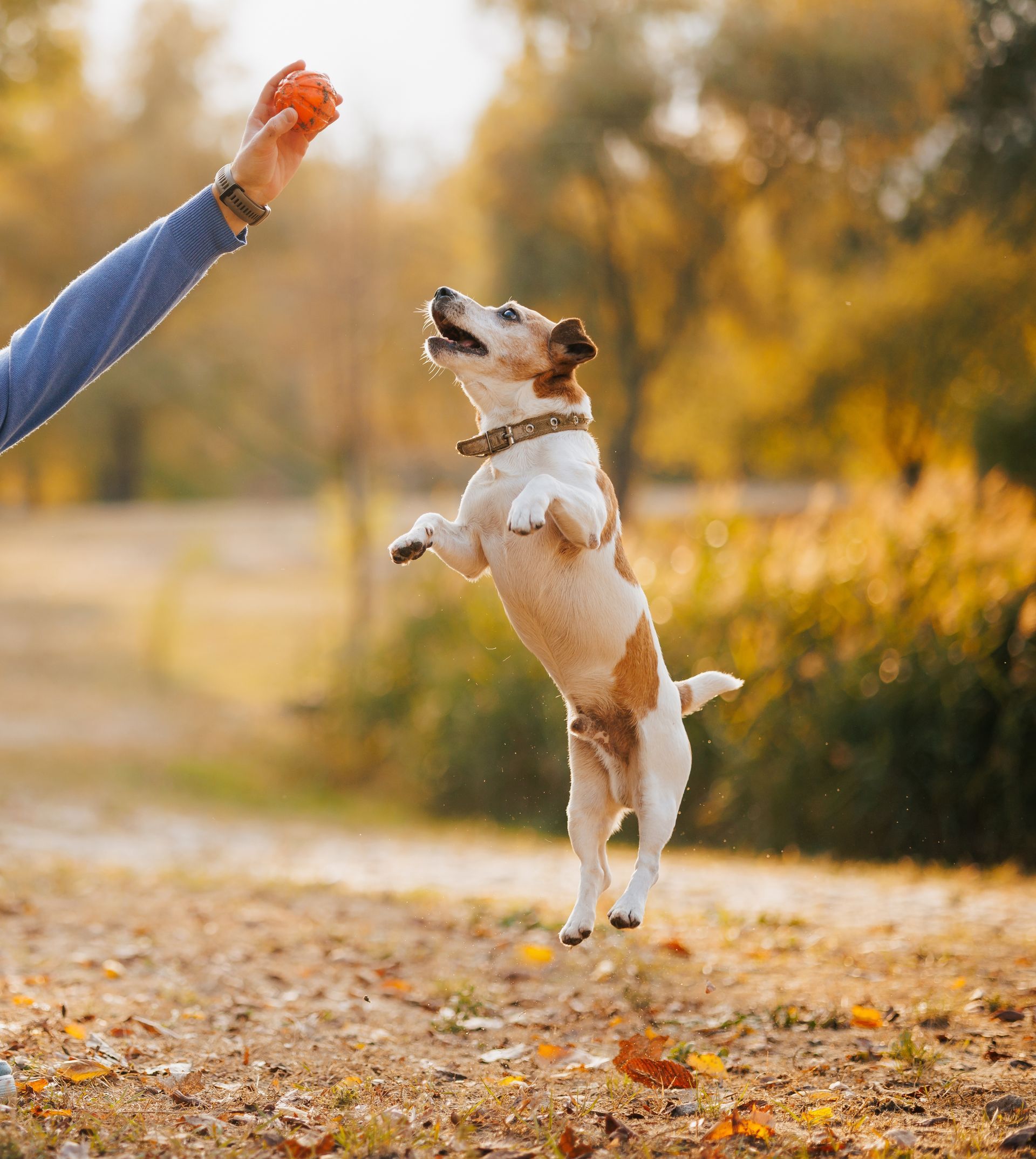
2. Redirect with a Toy
Always have appropriate chew toys on hand.
- Swap your hand for a soft toy or rope tug
- Encourage them to bite the toy, not you
- Praise when they engage with the correct item
Pro Tip: Keep a toy in your pocket for surprise play sessions during walks or training.
3. Provide Frozen Chew Items for Teething Relief
Teething puppies need relief! Try:
- Frozen carrots
- Chilled Kong with peanut butter
- Frozen washcloth (wet, twisted, and frozen)
These soothe sore gums and satisfy their chewing instinct.
4. Use “Time-Out” Strategically
If redirection fails:
- Remove yourself from the room for 30–60 seconds
- Or place your puppy in a playpen or crate briefly
- Don’t speak or engage during time-out
This teaches that biting causes a loss of attention.
5. Avoid Rough Play That Encourages Biting
Games like wrestling or hand-feeding can increase mouthy behavior in puppies who don’t yet understand boundaries. Instead:
- Use tug toys
- Encourage fetch
- Teach impulse control games like “Drop it” or “Leave it”
6. Reinforce Calm Behavior
Reward calm, gentle interactions:
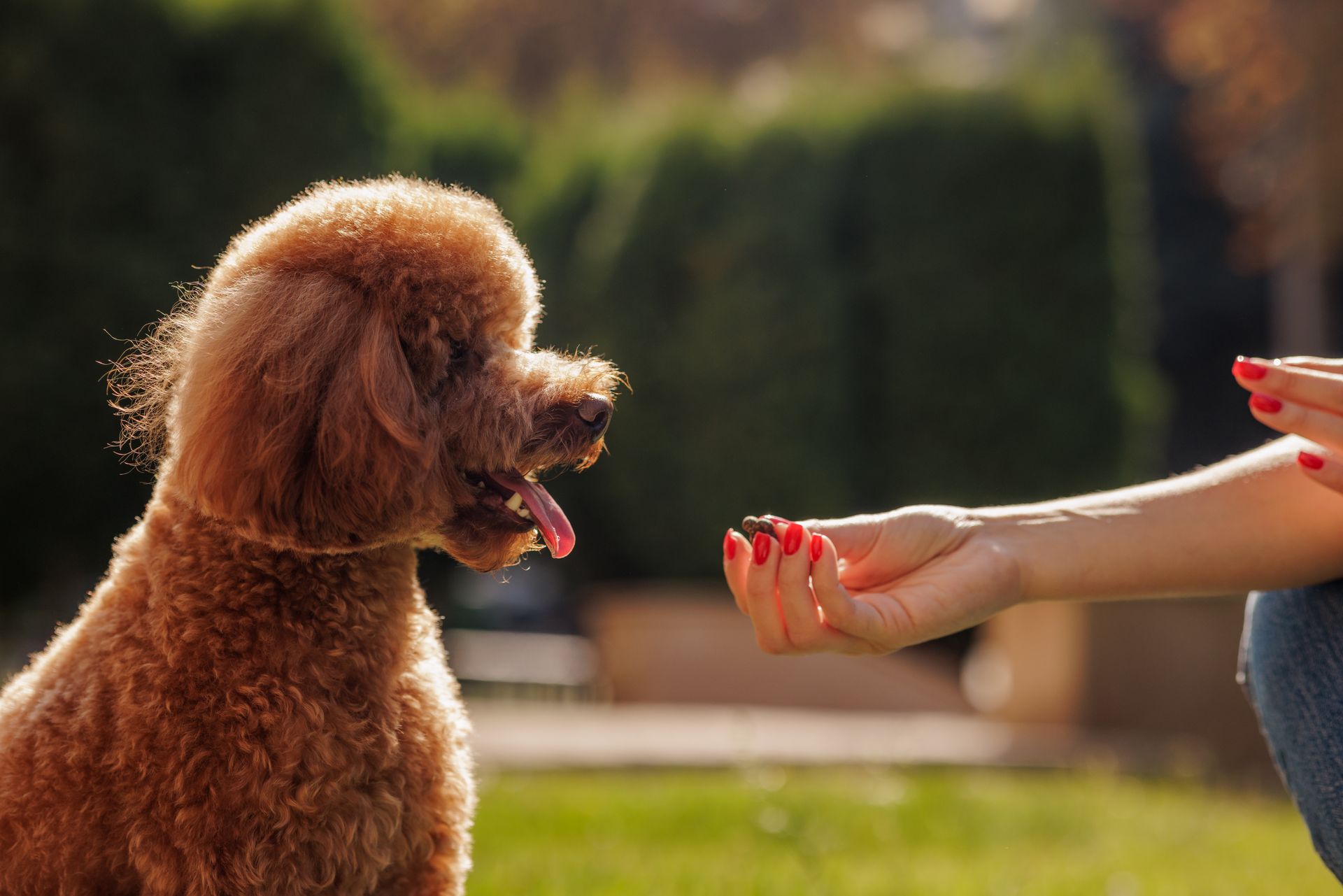
- Treat and praise when your puppy sits quietly
- Use petting only when they’re not nipping
- Withhold attention when they start to bite
The message: calm = reward. Biting = nothing.
7. Be Patient and Consistent
This phase won’t last forever—but consistency is critical.
- Everyone in the home must follow the same rules
- Don’t allow biting “sometimes” (e.g., during play) and expect your pup to know the difference
How Long Does the Puppy Biting Phase Last?
Most puppies reduce nipping by 5–6 months of age with proper training. Teething generally ends by 6 months, but behavior habits may continue if not addressed early.
What If My Puppy’s Biting Seems Aggressive?
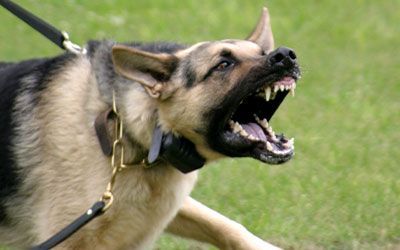
Some puppies show more intense biting or frustration behaviors. Signs to watch:
- Growling when redirected
- Biting hard and escalating
- Resource guarding toys or food
In these cases, a
professional trainer can help distinguish between normal play and early signs of behavior issues.
FAQs About Puppy Biting
Is puppy biting normal?
Yes. All puppies bite to some degree, especially during teething. It’s part of how they learn—but it needs guidance.
Should I let my puppy bite my hands during play?
No. Always redirect to a toy. Hands should signal calm, not rough play.
Can I scold or punish my puppy for biting?
No. Harsh discipline can create fear. Instead, use calm corrections, redirection, and time-outs.
How many chew toys should I have available?
At least 3–5 different types: soft toys, rubber chews, and frozen items to keep them engaged.
Do you offer help with puppy training in Dallas?
Yes! Dog Pawpa K9 Connection offers private and in-home puppy training for families across the Dallas–Fort Worth area.
Calm Puppy, Happy Home
Biting may be a normal part of puppyhood, but with the right approach, it doesn’t have to last long. Set clear boundaries early, be consistent, and don’t be afraid to ask for help.
Schedule a puppy training session with Dog Pawpa K9 Connection today and enjoy a calmer, better-behaved pup—fast.