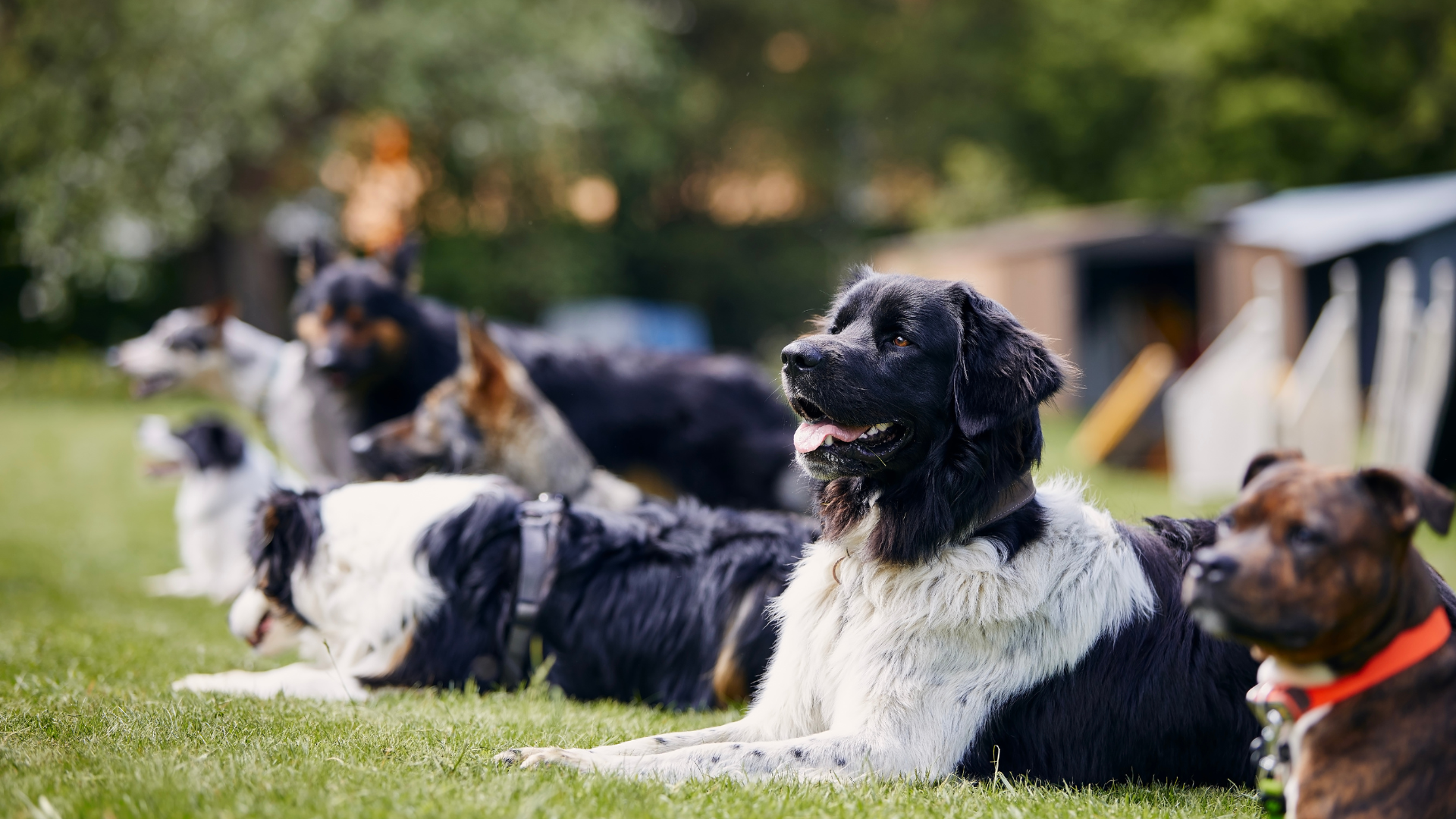
Most pet parents know obedience training teaches basic commands—but the real value of obedience goes far beyond a reliable “Sit.” At Dog Pawpa K9 Connection, we’ve seen how obedience training transforms relationships, improves confidence, and builds trust between dogs and their humans.
Whether you’re working with a brand-new puppy or an older rescue, obedience training offers lifelong benefits that impact your dog’s behavior, safety, and happiness. In this post, we’ll explore why it’s one of the most powerful investments you can make in your dog’s future.
What Is Obedience Training?
Obedience training is the process of teaching your dog to follow basic commands and behave appropriately in various settings. These foundational behaviors include:
- Sit
- Stay
- Come
- Down
- Leave it
- Heel
But true obedience training isn’t just about commands—it’s about creating structure, trust, and communication between you and your dog.
7 Key Benefits of Obedience Training for Dogs
1. Builds Better Communication
Obedience training teaches your dog how to understand you—and helps you learn to read your dog. This two-way communication fosters respect and responsiveness in every interaction.
2. Strengthens the Human-Animal Bond
Training time is bonding time. Regular sessions help deepen your connection, boost your dog’s confidence, and strengthen the trust between you.
3. Improves Safety
A well-trained dog is less likely to:
- Dash into the street
- Jump on guests
- Eat dangerous items
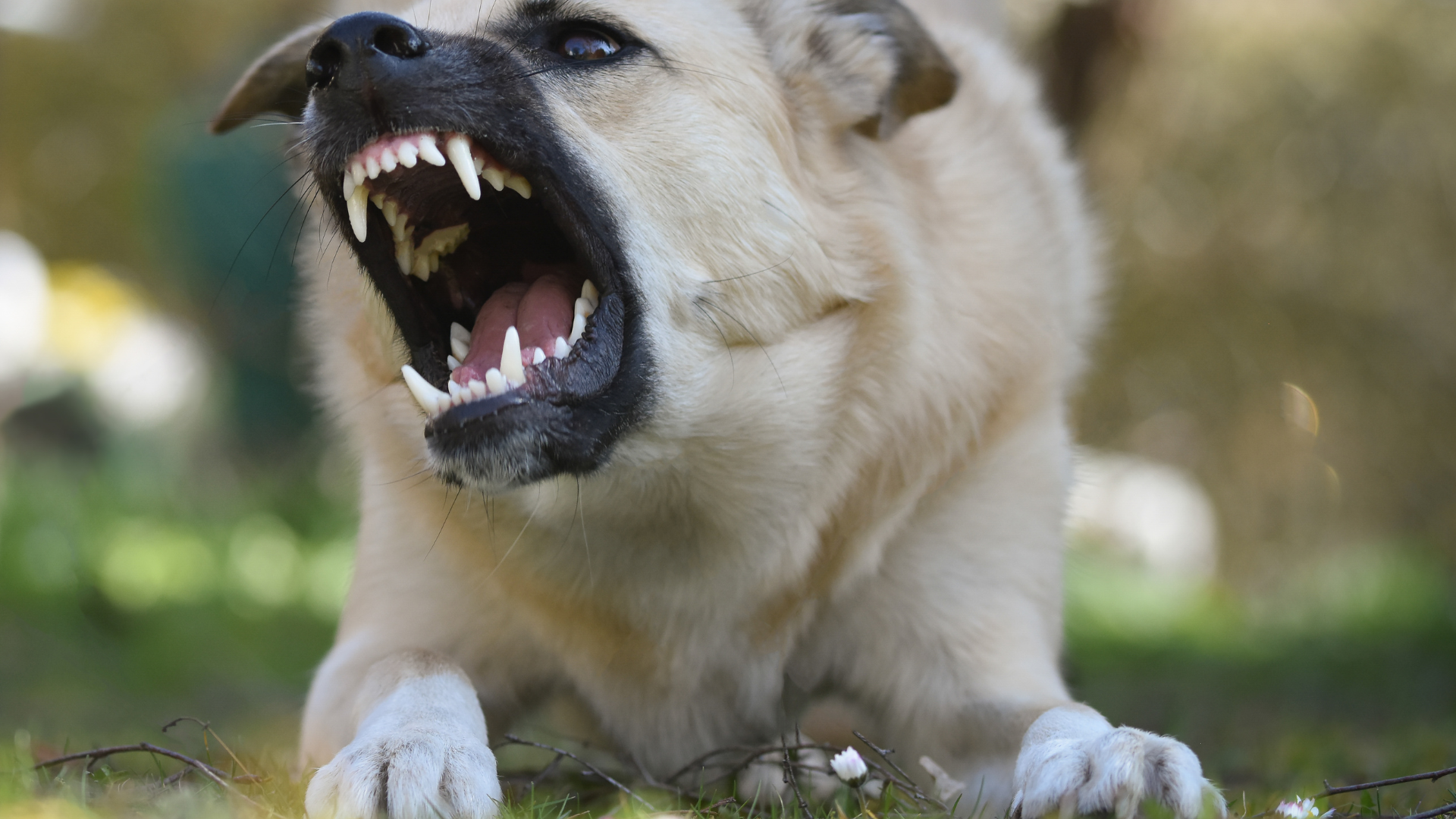
- React aggressively in unfamiliar situations
Obedience commands like “Leave it,” “Come,” and “Stay” can literally save your dog’s life.
4. Enhances Socialization
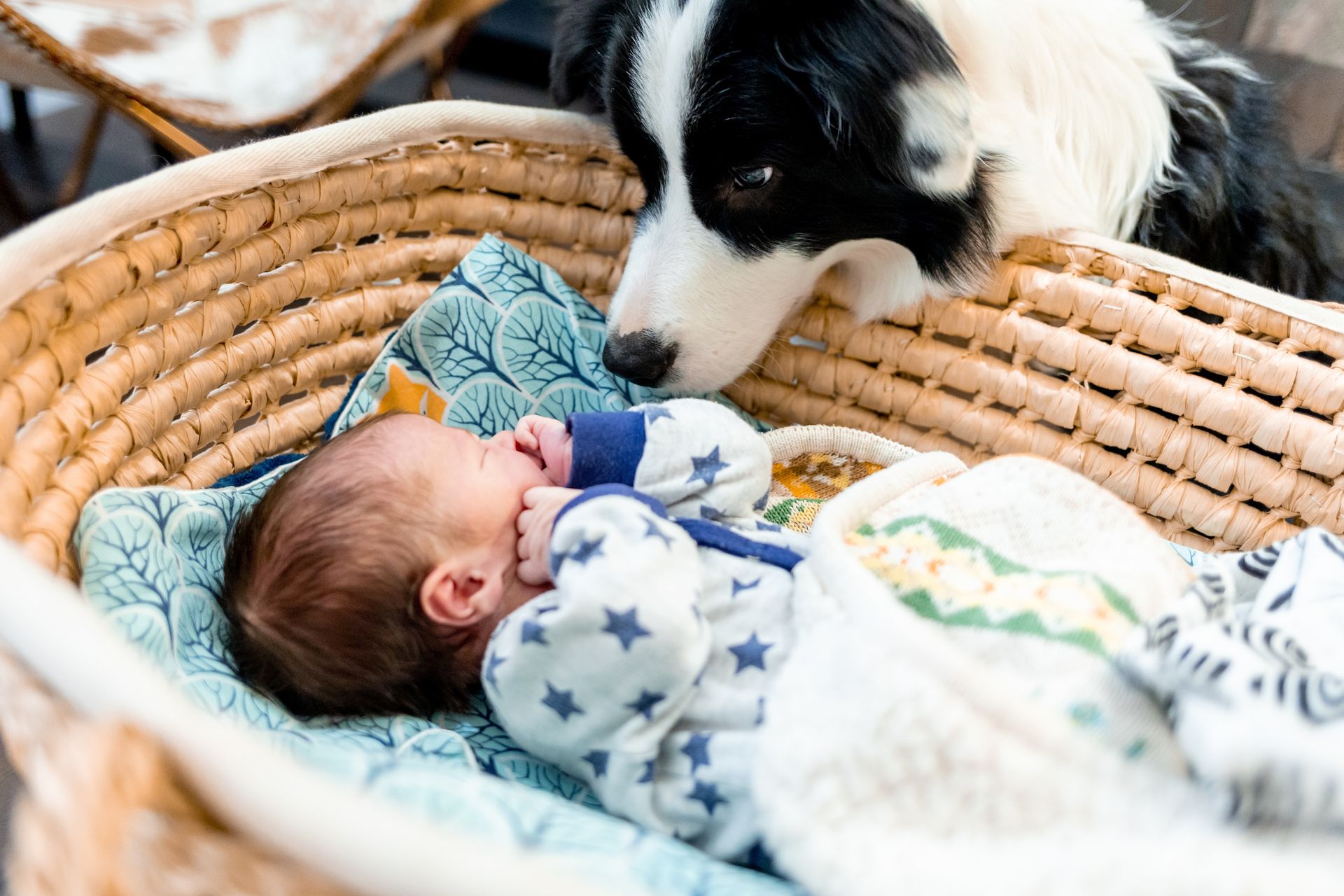
Obedience-trained dogs are easier to take into public spaces. They’re more calm and controllable at:
- Pet-friendly patios in Dallas
- Dog parks like White Rock Lake or Fort Woof
- Trails, vet clinics, and stores
This gives your dog more freedom—and you more confidence.
5. Reduces Anxiety and Problem Behaviors
Training gives your dog purpose, structure, and mental stimulation. Dogs with clear boundaries are less likely to:
- Bark excessively
- Chew furniture
- Show signs of separation anxiety
Mental exercise is just as important as physical activity.
6. Makes Everyday Life Easier
Simple behaviors like “Stay,” “Place,” and “Wait” make routines easier:
- Calm greetings at the door
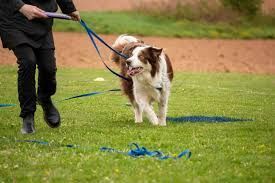
- No bolting during walks
- Polite mealtime behavior
- Cooperation during grooming or vet visits
7. Prepares for Advanced Skills and Activities
Once your dog masters obedience, they’re ready for more:
- Agility
- Canine Good Citizen (CGC) certification
- Therapy dog programs
- Off-leash hiking and advanced recall
Obedience is the foundation for everything else your dog might learn.
When to Start Obedience Training
The earlier the better. Puppies as young as 8 weeks can begin learning basic commands and routines. However,
dogs of any age can benefit from obedience training—especially rescues who may never have had structure.
We offer programs for:
- Puppies (foundational commands, socialization)
- Adolescents (impulse control, distractions)
- Adults and seniors (behavior tune-ups, leash skills)
Why DIY Isn’t Always Enough
While there are plenty of online resources and videos, they often lack personalization—and can overwhelm new owners.
At Dog Pawpa K9 Connection, our professional obedience programs are tailored to:
- Your dog’s age, breed, and temperament
- Your lifestyle and home environment
- Your training goals and challenges
In-home sessions allow us to see how your dog behaves in real life—and teach you how to reinforce training long after the sessions end.
FAQs About Obedience Training
How long does obedience training take?
Most dogs show significant improvement in 4–6 weeks with consistent training. Some continue into advanced levels for long-term enrichment.
Do I need to train my dog every day?
Short daily practice sessions (5–10 minutes) are ideal. We’ll show you how to integrate training into meals, walks, and play.
Is group or private obedience training better?
It depends. Group classes are great for socialization. Private sessions provide more focused, one-on-one help—especially for behavior issues.
What tools do you use during obedience training?
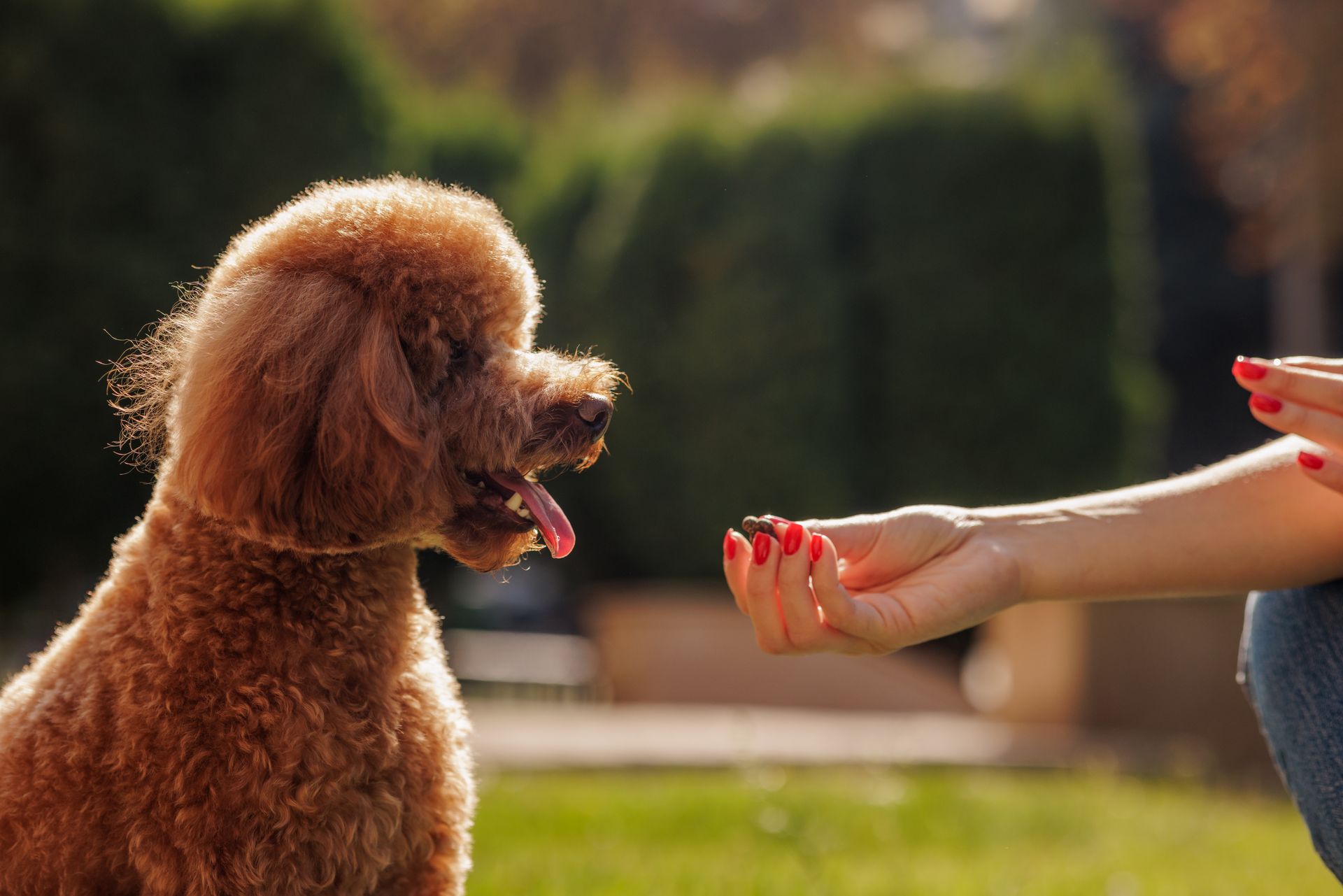
We use positive reinforcement methods along with tools like clickers, treats, slip leads, and place mats—always customized to your dog.
Build a Better Relationship Through Obedience
Obedience training isn’t just about having a well-behaved dog—it’s about creating a happier, safer, more connected life together.
Ready to get started? Contact Dog Pawpa K9 Connection for obedience training in Dallas–Fort Worth today.